
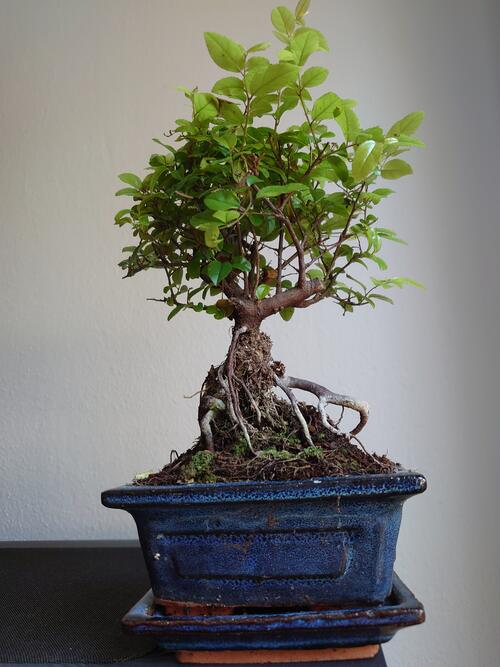
Bonsai those miniature, living sculptures of trees evoke a sense of calm beauty, patience, and artistry. Many people imagine them draped over outdoor patios or basking in dappled sunlight in a garden. But what about inside your home? Can bonsai grow indoors? The short answer is: yes, many bansai species can grow indoors, provided you meet their requirements but with caveats and care. In this article, we’ll explore everything you need to know to successfully grow a bonsai indoors: benefits, challenges, species selection, environmental needs, care tips, and common pitfalls.

Why Grow Bonsai Indoors?
Growing a bonsai indoors offers several advantages:
- Year-round enjoyment. You can admire your bonsai regardless of the weather, especially in climates with harsh winters or limited outdoor space.
- Decoration and ambiance. A healthy bonsai adds elegance, greenery, and a tranquil focal point to living rooms, offices, or sunny windows.
- Closely monitored environment. Indoors, you often have more control over temperature, humidity, pests, and light if you’re diligent.
- Therapeutic, mindful hobby. As with outdoor bonsai, caring for a tree indoors fosters patience, observation, and connection with a living organism.
But indoor bonsai is not “set and forget.” It demands more vigilance. Let’s look at what makes the difference between a thriving indoor bonsai and one that struggles.
The Challenges of Indoor Bonsai
The indoor setting is inherently less forgiving for plants that evolved outdoors. Here are the main challenges:
- Light deficiency
Many parts of your home will simply lack the intensity or duration of sunlight that a tree needs to photosynthesize robustly. - Low humidity
Indoor air especially in heated or air-conditioned spaces tends to be dry. Many bonsai species prefer more humidity than what’s typical in homes. - Temperature fluctuations
Drafts from windows, heating vents, or sudden drops at night can stress a bonsai. - Limited air circulation
Stagnant air can encourage fungal pathogens or reduce transpiration balance. - Watering missteps
Overwatering or underwatering is a common problem. Indoor bonsai often dry out unevenly, and soils that stay damp too long can lead to root rot. - Root space constraints
Bonsai by definition live in small pots. In an indoor environment, slower root growth and limited soil volume must be managed carefully. - Pest and disease pressure
While indoor trees might be safer from some pests, others (e.g. spider mites, mealybugs, scale) may find indoor bonsai quite hospitable.
Because of these challenges, not all bonsai species do well indoors. Choosing species that are more tolerant of the indoor microclimate is crucial.
Which Bonsai Species Are Suitable for Indoors?
When looking for bonsai suitable for indoor cultivation, you want species that are:
- Tolerant of lower light conditions (though still needing bright light)
- Adaptable to moderate humidity
- Slower growing (to reduce stress)
- Hardy to some temperature fluctuation
Here are some popular indoor bonsai species:
| Species | Key Attributes / Cautions |
|---|---|
| Ficus retusa / Ficus microcarpa | One of the most forgiving indoor bonsai species; tolerant of lower light and periodic neglect. |
| Ficus benjamina (Weeping Fig) | Popular, but can be somewhat fussy with light changes and dropping leaves. |
| Schefflera arboricola (Dwarf Schefflera) | Adaptable species; good candidate for indoors. |
| Serissa foetida (Snowrose Bonsai / Tree of a Thousand Stars) | Attractive flowers, but more demanding with humidity and light. |
| Jade (Crassula ovata) | A succulent, it tolerates indoor conditions well but demands excellent drainage and dry periods. |
| Chinese Elm (Ulmus parvifolia) | Can survive indoors if placed in bright light; may prefer occasional outdoor exposure. |
| Portulacaria afra (Dwarf Jade / Elephant Bush) | Similar to jade, this succulent is more forgiving of indoor conditions. |
| Sageretia theezans (Bird Plum) | Sometimes used as indoor bonsai; small leaves and resilient nature help. |
Note: Even “indoor” bonsai species still prefer bright, indirect light and periods of rest. Also, many bonsai benefit from occasional outdoor exposure if climate allows.
Setting Up an Indoor Environment for Bonsai
To give your bonsai the best chance indoors, you must aim to recreate or at least approximate the outdoor conditions a tree would prefer. Let’s break this down into key environmental factors.
Light: The Most Vital Factor
Requirement: Bright, preferably direct sunlight for several hours per day; at minimum, strong ambient light.
- The best location is a south- or southwest-facing window (in northern hemisphere homes). A position behind sheer curtains or partially shaded by blinds can soften harsh midday sun.
- Use supplemental lighting if natural light is insufficient: full-spectrum LED or fluorescent grow lights designed for plants. Aim for ~12–14 hours of artificial light if natural light is weak.
- Rotate the bonsai regularly so all sides receive light evenly, preventing one side from becoming leggy or weaker.
Humidity: Combatting Dry Air
Many homes have humidity levels between 20–40%, especially with heating or air conditioning lower than many bonsai species prefer (often 40–60% or more).
- Use humidity trays: place the bonsai pot on a tray filled with pebbles and water (without letting the pot sit directly in water).
- The evaporating water raises local humidity. “A simple humidity tray like this Pinkunn 2 Pcs Bonsai Humidity Tray on amazone helps maintain moisture around your tree between waterings while protecting surfaces beneath.”
- Mist foliage occasionally but lightly to increase ambient moisture (avoid leaf wetting late in the day to prevent fungal issues).
- Grouping plants together helps humidity around them.
- Consider using a humidifier in the room, especially in winter or dry climates.
Temperature: Stability Is Key
- Most indoor bonsai prefer daytime temps of 18–24 °C (65–75 °F) and slightly cooler at night, but avoid sudden shifts.
- Keep the tree away from drafts, AC vents, heaters, or cold windowsills.
- Avoid placing bonsai too close to radiators, fireplaces, or other heat sources that can desiccate soil and roots.
Air Circulation: Gentle Movement Helps
- Use a small oscillating fan set on low, keeping a distance, to gently move air. This helps reduce stagnant air, strengthens branches and foliage, and reduces mold or fungal risks.
- Avoid blowing strong drafts directly at the tree.
Potting & Soil: Drainage and Aeration
- Use well-draining bonsai soil mixes; avoid heavy, water-retaining soils.
- Include inorganic components like pumice, lava rock, or grit to prevent compaction.
- Ensure the pot has drainage holes; use mesh or screening to prevent clogging.
- Because indoor trees grow more slowly, re-potting is often less frequent but still necessary typically every 2–4 years, depending on species and growth.
Watering and Fertilizing Indoor Bonsai
Watering
Watering indoor bonsai is one of the trickiest parts, since drying can be uneven and conditions change with indoor heating or AC. Key principles:
- Check regularly. Don’t rely solely on a schedule. Insert a chopstick or moisture probe into the soil to check for moisture. Only water when the topsoil is slightly dry.
- Water thoroughly. When watering, do so until water drains from the bottom. This flushes the soil and ensures full root wetting.
- Avoid overwatering. If soil stays soggy too long, roots risk suffocation or rot.
- Adjust with the seasons. Growth slows in cooler months water less often. In warmer, brighter months, water more frequently.
- Care for water quality. If your tap water is high in salts, the soil can accumulate residues over time. Occasionally flush the pot or use rainwater or filtered water.
Fertilizing
Indoor trees typically receive less natural nutrient influx than outdoor ones. Fertilizing is essential:
- Use a balanced bonsai fertilizer or a diluted, slow-release fertilizer formulated for indoor plants.
- During active growing seasons (spring to early fall), fertilize every 2–4 weeks (depending on strength).
- In winter or low growth periods, reduce frequency or use a weaker formula.
- Periodic “flushes” (watering out the soil) can prevent salt accumulation from fertilizers.
Pruning, Wiring, and Shaping Indoors
Pruning & Leaf Maintenance
- Regularly remove dead or yellowing leaves, dead branches, or crossing limbs.
- Trim new shoots to maintain shape and encourage ramification. Indoor growth is usually slower, so patience is vital.
- For foliage thinning (on dense species), reduce leaves selectively to improve light penetration inside the canopy.
Wiring & Styling
- Wiring is possible indoors, but be gentler. The lower vigor of indoor bonsai means branches are slower to “set.”
- Keep wiring times shorter, check often, and remove wires early if they start biting into bark.
- Use lighter gauge wire and avoid heavy structural wiring unless absolutely necessary.
Root Pruning
- When re-potting, carefully prune the roots to balance root-to-leaf ratio.
- Reduce overly long or circling roots. Use sharp, clean bonsai tools.
- Ensure the tree has enough roots to support the foliage; do not over-prune, especially for indoor specimens with already slower root growth.
Seasonal Care & Adjustments
Even though your bonsai is indoors, it benefits from seasonal awareness:
- Spring: Growth resumes. Increase water and fertilizing, monitor for pests, and begin gentle wiring or structural work.
- Summer: Ensure the tree doesn’t overheat. Provide more airflow, possibly more light, and guard against drying out.
- Autumn: Slow down fertilizing. Begin preparing for cooler conditions. Some species may benefit from short periods outdoors (if safe).
- Winter: Many indoor bonsai go into a semi-dormant state. Slow watering and fertilizing; reduce stress, maintain moderate temperature and humidity.
Where possible, give your indoor bonsai occasional exposure to a gentle outdoor environment (e.g. sheltered patio or balcony) during mild days. This helps replenish light, fresh air, and the tree’s vigor.
If you like to follow in real time find my private tree
Troubleshooting Common Problems
Leaf Drop / Yellowing Leaves
Causes: Sudden change in light or temperature, overwatering or underwatering, low humidity, pests, or root problems.
Fixes: Adjust watering, increase humidity, ensure consistent lighting, inspect roots, or check for pests.
Sparse or Leggy Growth
Causes: Insufficient light, too little pruning, or low vigor.
Fixes: Increase light (via artificial or repositioning), prune to stimulate growth, or ensure proper feeding.
Root Rot / Fungal Issues
Causes: Overwatering, poor drainage, and stagnant soil.
Fixes: Improve drainage, reduce watering frequency, re-pot with fresh soil, possibly apply fungicide if needed.
Pests (Spider Mites, Mealybugs, Scale)
Causes: Indoor environments often harbor these pests due to dry air or proximity to indoor plants.
Fixes: Inspect frequently, wipe leaves with a mild solution (e.g. water + gentle soap), apply insecticidal soap or neem oil, isolate infected plants.
Salt or Chemical Buildup
Causes: Overuse of fertilizer or hard tap water with dissolved minerals.
Fixes: Flush soil periodically by watering heavily and letting excess drain, or repot with fresh soil.
Case Study: Ficus Retusa Indoor Bonsai
To make this more concrete, let’s examine a typical indoor bonsai—the Ficus retusa (or Ficus microcarpa) and how you might care for it indoors.
- Placement & Light
Place it near a bright window, ideally south or west exposure. Provide supplemental LED grow lights during darker months. - Soil & Potting
Use a mix like akadama + pumice + lava rock (or equivalent well-draining mix). Re-pot every 2–3 years, root prune lightly. - Watering & Humidity
Check daily. Water thoroughly when upper few millimeters of soil are dry. Use a humidity tray and occasional misting. - Fertilization
Use a balanced fertilizer (e.g. 10-10-10) diluted to half strength, every 3–4 weeks in spring/summer. Reduce in fall. - Light Shaping & Wiring
Prune new shoots to maintain shape. Use light copper/annealed wire, check often, especially during warm months. - Pest Management
Monitor for scale or mites. Wipe leaves periodically and maintain airflow.
Many indoor bonsai enthusiasts regard Ficus as the “starter indoor bonsai” for its tolerance, forgiving nature, and relative hardiness compared to more delicate species.
Best Practices & Tips for Indoor Bonsai Success
- Monitor closely. In an indoor environment, subtle changes (in humidity, light, soil moisture) can make a big difference.
- Record conditions. Keep a simple journal or log (watering dates, fertilization, pruning) to spot patterns or emerging issues.
- Avoid drastic changes. Trees don’t like shock: avoid moving them suddenly from a dark spot to full sun, or a cold draft to warmth.
- Be patient. Indoor bonsai grow more slowly; expect progress over months or years rather than days.
- Use quality tools and materials. Sharp pruning shears, quality bonsai wire, proper soil mix, and good lighting all pay dividends.
- Learn from observation. Watch how the tree responds to changes—if leaves droop or yellow after a change, back out.
- Engage with community. Bonsai forums, local clubs, or bonsai societies can help you diagnose problems and refine technique.
When Indoor Bonsai May Not Be Ideal
Keep in mind that some species simply won’t thrive indoors, especially for long periods. If you live in a mild climate (or have a protected outdoor space), outdoor bonsai may outperform indoor ones in terms of vigor, growth, flowering, or fruiting. Some bonsai may benefit from spending most of the year outdoors, only coming inside when weather demands.
Also, certain species require a deep winter dormancy or cold period that indoor environments never provide. In such cases, growing them indoors long term may lead to decline.
Final Thoughts: Can Bonsai Truly Grow Indoors?
Yes they can. But indoor bonsai is a balance between managing limitations and harnessing careful techniques. If you pick the right species, give them enough light, maintain humidity, water intelligently, and stay vigilant, indoor bonsai can not only survive—they can flourish, bring serenity, and become treasured living art pieces in your home.
Sources
- The Spruce How to Care for a Bonsai Tree
- Royal Horticultural Society (RHS) – Bonsai Tree Care
- Gardening Know How – Growing Bonsai Indoors
- National Bonsai Foundation