
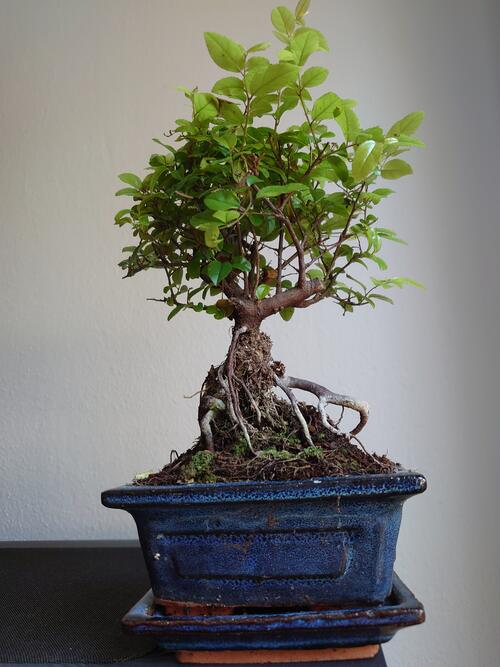
Starting a bonsai journey is one of the most rewarding steps any plant lover can take. You get to sculpt, nurture, and watch a miniature tree evolve under your hand. But the first and perhaps most important question is: which bonsai tree is best for beginners? Choose poorly, and your bonsai may struggle just to survive. Choose wisely, and you’ll be set on a path of growth, satisfaction, and creativity.
In this article, we’ll walk you through everything you need to consider: indoor vs outdoor, forgiving species, what “easy” really means, and tips to care for your first bonsai. By the time you finish, you’ll be confident in picking a bonsai species that suits your lifestyle and environment.
1. The Myth of the “One Best Bonsai”
First things first: there is no single bonsai species that is universally “the best” for all beginners. The best choice depends on:
- Your climate / growing zone
- Whether you plan to grow indoors, outdoors, or a mix
- How much light, humidity, time, and attention you can give
- Your patience and how much risk you’re willing to take
That said, some species are more forgiving than others. Many bonsai experts list a handful of species often recommended for novices.
But before we go into species, let’s define what “beginner friendly” means.
2. What Makes a Bonsai Beginner-Friendly?
When we say a bonsai is “easy” or “beginner-friendly,” we generally refer to these traits:
- Tolerant of mistakes Some species can survive a missed watering, a poor soil mix, or a period of low light.
- Adaptable to different environments — Species that handle variation in temperature, humidity, and light easily.
- Good recovery ability If you make a styling or pruning error, the tree bounces back rather than dying.
- Pliable to training Able to respond to wiring, pruning, root work without extreme sensitivity.
- Reasonable growth pace Neither too slow (which can discourage) nor so fast that it outgrows its pot constantly.
- Readily available You want a species you can buy or replace parts (branches, pots, soil) for.
As one bonsai forum user put it:
“The best tree for a beginner is the species that grow naturally in your local neighbourhood or garden-center … they are well adapted to your area.”
So, your “best” bonsai might simply be a tree that’s already comfortable in your local environment. But here are some species that tend to perform well across a range of conditions.
3. Top Bonsai Species for Beginners
Below are some of the most commonly recommended bonsai species for beginners, along with their pros, challenges, and tips.
| Species | Indoor / Outdoor | Why It’s Good for Beginners | Things to Watch Out For |
|---|---|---|---|
| Chinese Elm (Ulmus parvifolia) | Indoor / Outdoor | Very forgiving, tolerates pruning, adapts to many light levels. | In colder climates, protect from frost. Leaf drop in winter for indoor specimens may need management. |
| Ficus (e.g. Ficus microcarpa / Ginseng Ficus) | Indoor | Excellent for indoor bonsai; handles lower light and inconsistent watering. | Needs bright indirect light; avoid letting soil stay soggy. |
| Dwarf Jade / Portulacaria afra | Indoor / Outdoor (in warm climates) | Succulent traits make it drought-tolerant; often called “bulletproof” for beginners. | Very sensitive to cold; also may get leggy if light is insufficient. |
| Juniper (e.g. Juniperus species) | Outdoor | Classic bonsai conifer; hardy and responsive to pruning. | Needs full sun and good airflow; indoors is usually too dim. |
| Cotoneaster | Outdoor / semi-protected | Great for flowering bonsai with small leaves; relatively forgiving. | Needs decent light; cold / frost might stress it. |
| Japanese Maple (Acer palmatum) | Outdoor | Beautiful fall colors and fine leaf structure; a joy to shape | More sensitive to watering missteps; sunburn is a risk in hot climates. |
| Chinese Sweet Plum (Sageretia theezans) | Indoor / Outdoor | Good for indoor bonsai, attractive foliage and small fruit. | Doesn’t like being waterlogged; moderate light needed. |
| Japanese Black Pine (Pinus thunbergii) | Outdoor | A classic bonsai subject, trainable and striking. | Slower growth; needs full sun, and decandling technique can be demanding. |
| Zelkova (Zelkova serrata) | Outdoor | Hardy, tolerant, good foliage and trunk character. | Needs seasonal dormancy; less forgiving if overpotted. |
My Recommendation: Start with Chinese Elm or Ficus
If I were to pick one species as a “starter” bonsai for most people, I’d go with the Chinese Elm. It offers an excellent balance of flexibility, strength, and aesthetic potential. For strictly indoor setups or for spaces with less natural light, Ficus (or a ginseng ficus variant) makes a great second choice.
That said, if you live in a climate with mild winters and have the conditions for outdoor bonsai, combining one outdoor species (like Juniper) with an indoor species gives you diversity and learning opportunities.
4. Indoor vs Outdoor Bonsai: What You Need to Know
One of the biggest determinants of your bonsai success is whether your tree will live indoors or outdoors (or move between the two). Each setting brings its own challenges.
Outdoor Bonsai
Pros
- Natural seasonal cycles (growth phase, dormancy)
- Higher light availability
- Better airflow, natural humidity
Cons / Challenges
- Exposure to pests, extremes of weather
- Need for protection in very cold climates
- Risk of root freezing or overheating
Outdoor species like juniper, pine, maple, elm, and cotoneaster generally do better in their native or semi-native climates.
Indoor Bonsai
Pros
- Controlled environment (temperature, humidity, protection)
- Easier monitoring and access
Cons / Challenges
- Low light, dry air, indoor drafts
- Soil dries quickly or remains soggy if drainage is poor
- Less pronounced seasons (many indoor bonsai don’t go fully dormant)
Indoor species (Ficus, Jade, Sweet Plum) tend to be tropical or subtropical and appreciate warmth and indirect bright light.
Transitioning Between Indoor and Outdoor
Some bonsai owners move their trees indoors only during winter and keep them outdoors in other seasons. This can work, but beware:
- Indoor spots are frequently too dim or too dry
- Temperature shifts can cause stress
- You’ll need supplemental lighting or humidity tools
For beginners, I recommend picking either an outdoor species or an indoor species and staying consistent until you’re comfortable with their care.
5. How to Evaluate a Bonsai Before Buying
When selecting your first bonsai, don’t just take the seller’s word. Here’s a checklist:
- Healthy foliage / leaves No yellowing (unless seasonal), no pest damage, full canopy.
- Good root system The soil should fill the pot but not be root-bound. Avoid those whose roots are circling or coming out of drainage holes everywhere.
- Drainage The pot must have solid drainage holes and well-structured substrate.
- Trunk and branch structure Even for a starter bonsai, you want some trunk taper and branch potential.
- Species identification Know what species you’re getting. This matters for care instructions.
- Reputable supplier Especially for beginners, getting good guidance and after-sale support is crucial.
6. Basic Care Tips for Your First Bonsai
Getting a “beginner species” is only half the battle. You’ll still need to follow best practices. Here’s a foundational care guide.
6.1 Watering
- Check daily. The top soil should feel slightly dry before watering again (but not bone dry).
- Thorough soak. When watering, saturate the soil so water emerges from drainage holes.
- Avoid standing water. Excess water should not sit at the base of the pot.
- Adjust with seasons. In summer, you’ll likely water more frequently; in cooler months, less often.
6.2 Light
- As much bright light as possible. Indoor bonsai should be near a well-lit window; outdoor bonsai need full sun or at least strong partial sun.
- Avoid sudden changes. Don’t move a bonsai from deep shade to blazing sun abruptly acclimate gradually.
6.3 Soil & Drainage
- Use a bonsai-grade soil mix (e.g. akadama, pumice, lava rock, organic component). Good drainage is essential.
- Don’t use standard potting mix it retains too much water and compacts.
6.4 Pruning & Wiring
- Prune regularly to maintain shape, remove crossing branches, and encourage ramification (branching).
- Wire carefully, watching for bark damage or wire cutting in. Re-check wires every few weeks.
6.5 Fertilizing
- During the active growth season (spring through summer), feed monthly or biweekly with a balanced fertilizer.
- In winter or dormancy periods, cut back or suspend fertilizing.
6.6 Repotting
- Every 2–4 years (depending on species and vigor), repot to renew soil and prune roots.
- Do this in the spring for most species (just before growth starts).
6.7 Pest & Disease Monitoring
- Watch for aphids, scale insects, spider mites, and fungal issues.
- Maintain good airflow and avoid overly wet foliage.
7. Common Beginner Mistakes & How to Avoid Them
Here are pitfalls new bonsai growers frequently fall into — and how to dodge them.
- Overwatering Many kill trees by keeping the soil too wet. Always check soil moisture before adding water.
- Underestimating light needs An indoor bonsai hidden in a dim corner will suffer.
- Neglecting seasonal changes Some species need a dormancy period.
- Wiring too tightly / leaving wire too long Can cut into bark.
- Using poor soil Leads to root rot or compaction.
- Stressing with too many changes at once E.g. repotting + pruning + wiring all in one go.
- Ignoring local climate A bonsai that thrives in one zone might struggle elsewhere.
8. Step-by-Step: Choosing Your First Bonsai
Here’s a decision path you can follow:
- Decide indoor or outdoor Assess your space, light availability, and climate.
- Match species to your environment Use the species list above to find ones suited to your conditions.
- Buy a starter or pre-bonsai Begin with a specimen that is healthy but manageable.
- Learn the species care requirements Tailor watering, fertilizing, pruning to that species.
- Start simple Focus first on survival and basic shaping, not dramatic styles.
- Observe and adapt Watch how your tree responds and learn from its cues.
9. Case Example: Starting With a Chinese Elm
Let’s walk through an example using Chinese Elm (Ulmus parvifolia), one of the most recommended beginner species.
- Where to keep it: Outdoors is ideal, but it can also live indoors in a bright, cool spot.
- Watering: Let top millimeters dry before soaking thoroughly.
- Light: Full sun to partial shade outdoors; as bright a spot as possible indoors.
- Pruning: After spring growth flush, prune back to 2–3 leaves per branch.
- Repotting: Every 2–3 years in spring, reduce root mass by ~30%.
- Fertilizing: During growing season, use low nitrogen feed initially, then balanced.
- Wiring & shaping: Use soft wire, check regularly, and gradually guide branch movement.
Many beginners report that their first Chinese Elm surprises them by thriving under modest care. It tolerates a few mistakes and gives you room to learn.
10. Final Thoughts & Encouragement
Choosing your first bonsai is not just about picking a species it’s about embarking on a journey. Even when things go wrong (and they will sometimes), each mistake is a lesson. The tree doesn’t have to be perfect it just has to live, learn, and grow with you.
Here’s a quick recap:
- There’s no “one size fits all” bonsai, but some species are more forgiving.
- Match species to your climate and indoor vs outdoor plans.
- Chinese Elm and Ficus are great default picks.
- Always pay attention to light, watering, soil, and the tree’s response.
- Start simple; don’t overwhelm yourself with too many changes at once.