
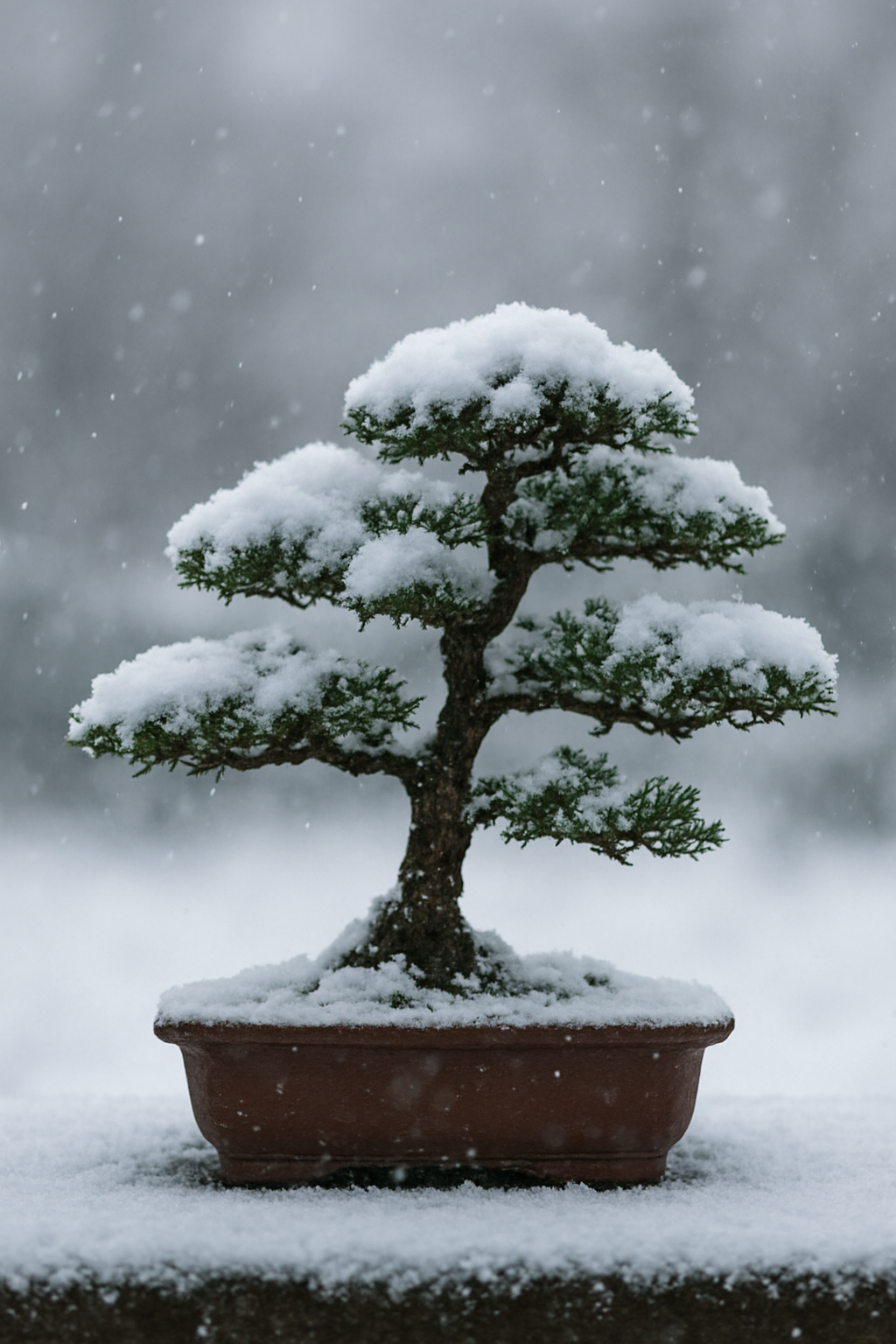
Will Bonsai Survive the Winter?
Winter is one of the most challenging seasons for bonsai growers, especially in regions with cold temperatures, frost, snow, or strong winds. Many beginners ask: Will my bonsai survive the winter? The short answer is: yes, but it depends heavily on species, microclimate, and your care. With thoughtful preparation and attention, most hardy bonsai can endure and even thrive after winter. In this post, we’ll dive deep into how and why bonsai survive (or fail) through winter, how to prepare, protect, and revive them, with practical tips for different climates and species.
Why Winter Is a Challenge for Bonsai
Shallow root systems and frost risk
Unlike full sized trees whose roots reach deep underground insulated from freezing bonsai are planted in shallow containers. That means their roots are much more exposed to ambient temperature swings. In severe cold, the soil in the pot can freeze solid, restricting water uptake and damaging fine roots.
Need for dormancy in temperate species
Many bonsai species come from temperate zones. In their natural habitat, they undergo a period of dormancy in winter: metabolic processes slow, growth ceases, and the tree conserves energy. This dormancy is crucial because forcing growth during winter is physiologically stressful. If you try to “help” a temperate bonsai by keeping it warm, giving too much light, or keeping soils moist, you risk pushing it out of dormancy and making it vulnerable to cold damage.
Internal freezing risk and freeze thaw cycles
Even dormant trees are not immune to damage. Repeated freeze thaw cycles (freezing at night, thawing in day) can cause cells to rupture or lead to dehydration in the foliage or buds. Also, sudden warm spells may trigger premature bud burst, making tender new growth susceptible to late frosts.
Water stress during winter
Even in dormancy, bonsai still need some water. But when soil is frozen, roots cannot take up water. Combined with wind exposure on above-ground parts, branches and buds may desiccate (dry out) and suffer damage. Thus, managing moisture becomes tricky in cold seasons.
Which Bonsai Are Likely to Survive?
Not all bonsai are equally winter-hardy. Understanding your tree’s nature is the foundation:
1. Temperate Hardy species
These are the bonsai most likely to survive winter outdoors with correct care. Examples include maples, elms, pines, junipers, larches, hornbeam, some azaleas, etc.
These species typically need exposure to cold to complete their dormancy cycle. In many cases, they survive routine freezing down to –10 °C or lower (depending on species and protection) as long as the roots are protected.
2. Mediterranean / low-frost species
Species that come from milder, Mediterranean climates (e.g. olive, pomegranate, Chinese elm) can tolerate light frost or brief cold spells, but sustained freezing temperatures can be lethal. These bonsai often require extra protection or overwintering in sheltered spots.
3. Tropical / subtropical species
These bonsai are the least cold-tolerant and generally must be brought indoors or into a heated greenhouse in winter. They typically cannot survive freezing or sustained low temperatures. Common tropical bonsai include ficus, serissa, carmona, and others.
4. Individual tree condition matters
Even within the same species, a weak, recently repotted, root-damaged, or newly styled specimen may have a harder time surviving winter than a vigorous, established tree. Also, small pots (less soil mass) insulate poorly and increase vulnerability.
Preparing Bonsai for Winter: Timing & Steps
To maximize survival chances, prepare your bonsai in autumn (fall) before hard frosts set in.
1. Let trees harden off gradually
As autumn advances, gradually reduce water, fertilization, and feeding to slow growth and encourage cold hardiness. Expose trees to cooler nights to help “toughen” growth. Don’t force them indoors too early.
2. Clean and inspect
- Remove all fallen leaves, debris, and dead needles from the soil surface.
- Check for pests or fungal infections; treat proactively.
- Avoid fertilizing late in the season (starch reserves need to build).
- If the soil surface has crusted, gently scratch or remove the top layer so winter waterings can penetrate.
3. Wait for first frost / cold exposure before final placement
For many temperate-species bonsai, it’s important they experience a few frosts before final winter sheltering so they properly enter dormancy. Putting them in too warm an environment too early may confuse their internal cues.
4. Adjust wiring, pruning, and repotting schedules
- Avoid heavy pruning late in the autumn; give the tree time to heal.
- Major repotting should be done in early spring, not right before winter.
- Remove strong wire or supports that might damage bark during winter stress.
- In conifers or pines, you may remove old needles or thin, but be cautious not to over-stress ahead of cold.
Winter-Protection Strategies: Methods & Tips
Depending on your climate and species, you may choose one or more protection strategies to help your bonsai survive. Here are the common ones:
1. Cold frames / unheated greenhouse / foil tents
These structures buffer against wind, extreme temperature swings, and precipitation while still allowing cold exposure. Ventilation is essential on sunny days to prevent overheating.
2. Burying pots (“banking”) or sinking into the ground
Dig a hole in the garden, place the bonsai pot in, and mound soil or mulch around it (covering up to pot rim). This provides insulation to the roots while letting the tree’s upper part remain exposed. In snowy areas, snow itself can act as insulating blanket.
3. Mulch, leaves, straw, or bark insulation
Surround pots with mulch, leaves, straw, or bark to buffer cold intrusion. Fill gaps between pots with insulating material. But be careful: excessive insulation can trap moisture and lead to rot. Also ensure wind protection.
4. Sheltering in unheated garages, cellars or cold rooms
Sometimes growers place bonsai in cold, but not heated, indoor spaces. The objective is to maintain low temperature (just above freezing) and minimal light so trees remain dormant. Avoid warm indoor rooms, which may stimulate growth.
5. Use insulating covers or wraps
You can wrap pots with bubble wrap, foam, burlap, or other insulating material. For very vulnerable trees, using temporary covers during extreme cold snaps is helpful. However, don’t seal completely we need airflow, and avoid trapping humidity that encourages fungal growth.
6. Ventilate on warm, sunny days
Even during winter, on warmer sunny days, the temperature inside covered structures may soar, triggering internal metabolism or budding. Opening ventilation or partially exposing trees helps prevent this.
7. Monitor moisture and manage watering
When soils are not frozen, check moisture and water only as needed, avoiding saturation. During deep freeze, watering is sometimes impossible, so plan ahead. Use well-draining soil to avoid root rot. In winter, frequency is much lower some bonsai may need watering only once every few weeks depending on conditions.
8. Rodent and pest protection
In winter, rodents (mice, voles, rats) sometimes nibble on bark or roots. Use wire cages or barriers around trunks/pots. Also keep an eye on spider mites, scale, or overwintering pests.
Regional & Climate-Specific Considerations
Mild winter climates
If you live in a region where winter temperatures stay mostly above freezing, many hardy bonsai may survive outdoors with minimal protection (e.g. wrapping pots, shielding from wind). But beware of occasional freezes or heat during sunny days. Tropical bonsai may fare poorly and might better remain indoors or in a greenhouse.
Cold or harsh winter zones
In areas where temperatures plunge well below freezing, deeper insulation is necessary. Use buried pots, heavy mulch, cold frames, or move vulnerable trees to sheltered spaces. Don’t forget that sudden warm spells may break dormancy and cause damage.
Urban microclimates
If you live in a city, walls, buildings, and paved surfaces can moderate extremes. Gentle radiated heat from buildings helps. Just be careful about heat from buildings that may confuse the tree’s dormancy cycle.
Snow and ice
Heavy snow can damage branches. But light snow cover often acts as insulation over pots. After ice storms, gently brush snow off branches to avoid snapping. Don’t allow ice-laden branches to sag or break.
Spring Transition & Recovery
When winter ends, your bonsai doesn’t suddenly become safe. Spring brings new risks and care demands.
Timing the move
Don’t rush to bring trees into full sun. First, gradually reintroduce them to outdoor conditions if they were sheltered. Watch night temperatures late frosts can kill emerging buds. For a time, retain protection during cold nights.
Watering & drainage
As soil warms, water uptake resumes. But avoid waterlogging, especially with melting snow. Ensure drainage is clear.
Pruning, wiring, and repotting
Spring is the usual season for repotting, trimming roots, wire adjustment, etc. But don’t stress trees too early. Observe bud swelling and growth before heavy work.
Watch for pests and fungus
As things warm, pests may emerge. Inspect for scale, mites, fungus, or insect eggs. Apply treatments as needed before infestations spread.
Controlled feeding
Resume fertilization gradually once active growth is underway. Don’t overdo it too soon.
Common Mistakes & How to Avoid Them
| Mistake | Why It’s Harmful | Prevention / Solution |
|---|---|---|
| Overprotecting (keeping bonsai too warm indoors) | Prevents proper dormancy and may cause foliage to push growth prematurely | Use cool, unheated spaces; allow natural cold conditions for dormancy |
| Neglecting moisture | Roots and buds may dry out if soil remains frozen or trees receive zero water for prolonged periods | Monitor soil moisture; water when feasible, use mulch or insulation to buffer freeze |
| Inadequate insulation or shielding | Root freeze or fluctuation damage, exposure to wind | Use burying methods, mulch, cold frames, or wraps; protect from wind |
| Overheating during sunny winter days | Triggers early bud burst, stressing the tree | Provide ventilation, shade, or intermittent exposure |
| Leaving pests untreated in fall | Pest eggs or fungi may overwinter and explode in spring | Do proper pest inspection and treatment before winter |
Case Study: Juniper Bonsai in Winter
To illustrate how one common bonsai species weathers winter, consider a juniper bonsai:
- Juniper bonsai are typically hardy and frost tolerant (some down to 10 °F or –12–13 °C)
- They are usually kept outdoors year-round to allow seasonal cues for growth and dormancy
- In winter, their roots are vulnerable insulation or burying the pot helps buffer cold
- On sunny winter days, ventilation is needed if housed in frames to avoid overheating and stress
- In spring, reintroduction must be gradual, watching for late frost damage
Thus, with correct protection, a juniper bonsai often survives winter well even in moderately cold climates.
Summary: Will Your Bonsai Survive the Winter?
The survival of a bonsai through winter is not guaranteed but it’s very achievable with knowledge, foresight, and vigilance. Here’s a quick checklist:
- Know your species whether it’s hardy, semi-hardy, or tropical.
- Let it harden off gradually in autumn; don’t rush protection.
- Inspect, clean, and prepare remove debris, treat pests, scratch surface soil.
- Choose appropriate protection cold frame, burying, insulation, sheltered spaces.
- Manage moisture carefully water only when soil allows, avoid waterlogging.
- Ventilate on warm days avoid overheating or midday bursts of metabolism.
- Guard against rodents and pests use barriers, inspect trees during winter.
- Spring carefully reintroduce to outdoor conditions gradually, avoid sudden stress, and resume normal care.
If you follow those practices, your bonsai is very likely to survive and emerge healthier on the other side.
Sources
- Bonsai4Me – Winter Care for Bonsai
- Bonsai Tonight – Winter Care Tips
- Bonsai West – Four Seasons of Bonsai: Winter